




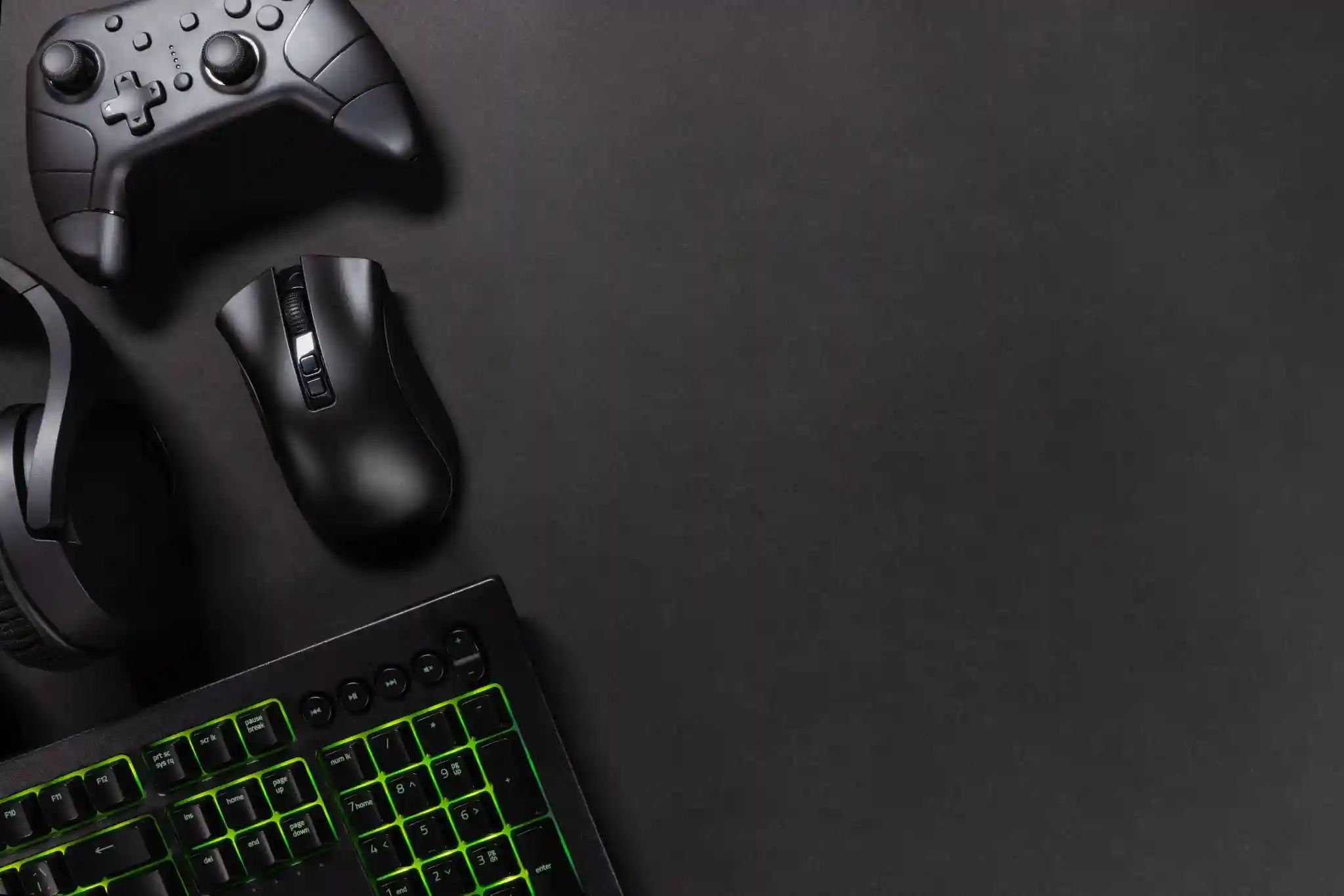
In the world of competitive gaming, every millisecond counts. Success in esports is not only determined by skill and strategy but also by the tools players use. High-quality gaming peripherals give players a tangible edge, enhancing reflexes, precision, and comfort during prolonged sessions. Unlike casual gaming, esports demands equipment that is responsive, durable, and tailored to the player’s style. Investing in the right gear is no longer optional; it is a cornerstone of competitive performance. Professional gamers often cite their peripherals as pivotal in maintaining consistency and reducing fatigue, emphasizing that the synergy between human skill and technology defines modern esports excellence.
Understanding Core Esports Hardware Needs
Mouse Technology for Precision and Speed
The mouse is arguably the most critical peripheral in competitive gaming. Esports-grade mice are engineered with precision sensors, adjustable DPI settings, high polling rates, and ergonomic designs that reduce hand strain. Optical and laser sensors differ in their tracking accuracy and lift-off distance, and selecting the right one can dramatically affect performance. Many professional players fine-tune their DPI settings to match their game genre, FPS gamers often opt for lower DPI for accuracy, while MOBA and RTS players may prefer higher DPI for rapid maneuvering. A well-designed gaming mouse also considers weight distribution, button placement, and grip style, ensuring that players can execute complex moves without compromise.
Keyboards That Respond in Milliseconds
A mechanical keyboard is essential for esports players seeking precision and tactile feedback. Unlike membrane keyboards, mechanical switches provide consistent actuation force, faster response times, and customizable key rollover. Features such as anti-ghosting and programmable macros allow players to perform multiple actions simultaneously without input errors. Actuation point and switch type are crucial considerations; for instance, Cherry MX Red or Speed Silver switches are preferred by many professionals for their linear response and minimal resistance, allowing for lightning-fast key presses. The keyboard’s layout, durability, and comfort during extended sessions directly influence performance, underscoring the importance of investing in professional-grade equipment.
Audio and Communication Essentials
High-quality headsets are more than just luxury items, they are strategic tools in esports. They provide spatial awareness, allowing players to detect enemy movements, environmental cues, and subtle audio signals that can influence split-second decisions. A headset with noise cancellation ensures that external distractions do not interfere with gameplay, and a reliable microphone enables seamless team communication during intense matches. For professional players, even minor audio delays or distortions can impact performance, making sound clarity and precision paramount.
The Role of Surround Sound in Competitive Gaming
Surround sound headsets and virtual 7.1 audio systems provide positional awareness, allowing gamers to identify the direction of footsteps, gunfire, and other in-game cues with remarkable accuracy. In genres like FPS and battle royale, the ability to hear opponents before they are visible can dictate the outcome of a match. Audio fidelity must balance clarity with comfort, as prolonged sessions require headsets that remain lightweight and pressure-free while delivering consistent, accurate sound reproduction.
Displays and Visual Enhancements
Visual clarity is a critical factor in esports. Monitors designed for competitive gaming offer high refresh rates, typically 144Hz or higher, low input lag, and adaptive sync technologies to prevent screen tearing. These features allow players to respond to fast-paced action with minimal delay, ensuring smooth, fluid visuals. While resolution is important, competitive players often prioritize refresh rate over ultra-high resolution, as motion clarity and responsiveness directly affect reaction times. Proper calibration of brightness, contrast, and color accuracy further enhances the gaming experience, enabling precise target acquisition and long-term comfort during extended play.
Accessories for Screen Optimization
Professional players often complement their monitors with additional accessories to optimize performance. Adjustable monitor mounts allow precise positioning for optimal eye level and viewing angle, while specialized anti-glare filters reduce reflections and visual strain. Ambient lighting, such as bias lighting behind the monitor, improves contrast perception and reduces eye fatigue. These seemingly minor adjustments can significantly improve player focus and consistency, illustrating how the right setup extends beyond hardware specifications.
Ergonomics and Comfort for Endurance
Esports sessions can extend for hours, making ergonomic design a critical consideration. Chairs with lumbar support, adjustable armrests, and durable cushioning prevent long-term injuries and reduce fatigue. Desks must accommodate peripherals comfortably while allowing players to maintain proper posture. Wrist rests, mouse pads, and keyboard elevation adjustments contribute to precise movements and sustained performance. Ergonomics is not a luxury; it is a strategic investment in a player’s ability to perform at peak levels during intensive sessions.
Balancing Comfort with Performance
Proper positioning of peripherals affects both comfort and reaction efficiency. Mice and keyboards should be within easy reach, aligned with natural arm movements, and placed to minimize strain. A chair height that aligns with desk height ensures that forearms remain parallel to the floor, reducing tension and supporting optimal click speed. Even small adjustments in seating or desk configuration can translate into faster response times, emphasizing the symbiotic relationship between comfort and competitive advantage.
Emerging Tech in Esports Peripherals
Technology in gaming peripherals evolves rapidly, and staying updated can provide a competitive edge. Wireless devices, once thought inferior to wired counterparts, now deliver ultra-low latency, eliminating lag concerns while offering mobility. Haptic feedback, adaptive triggers, and motion-sensing peripherals introduce new dimensions to gameplay, providing tactile cues and enhancing immersion. Modular peripherals allow gamers to customize button layouts, weights, and switch types, enabling a personalized setup that aligns with their playstyle. Emerging trends highlight the fusion of innovation and performance, reinforcing the principle that cutting-edge technology amplifies human skill rather than replacing it.
Maintaining and Optimizing Gaming Equipment
Maintaining peripherals ensures longevity and consistent performance. Regular cleaning of mouse sensors, key switches, and headset components prevents performance degradation. Firmware updates and software calibration optimize sensor tracking, key responsiveness, and audio settings, ensuring that equipment performs as intended. Professionals emphasize that a well-maintained setup reduces technical errors and maximizes the return on investment, allowing players to focus entirely on gameplay without distractions.
Conclusion
Success in esports extends beyond talent; it requires a seamless integration of skill, strategy, and high-performance equipment. Selecting the right peripherals, tailored to comfort, responsiveness, and game-specific needs, provides players with a tangible advantage. From precise mice to immersive headsets, each piece contributes to faster reactions, reduced fatigue, and heightened awareness. Maintaining, calibrating, and continuously upgrading peripherals ensures that players can perform at peak levels, transforming investment in technology into measurable results on the virtual battlefield. In esports, the right gear is not optional; it is the bridge between potential and excellence.
FAQs
What are the must-have peripherals for competitive esports?
Essential peripherals include a high-precision gaming mouse, mechanical keyboard with customizable keys, a high-fidelity headset with clear communication, and a responsive monitor. Ergonomic seating and proper desk setup further enhance performance.
How do I choose between wired and wireless gaming devices?
Modern wireless peripherals offer low latency comparable to wired devices. Selection depends on personal preference, mobility, and ensuring the device has reliable battery life and connectivity.
Can high-end peripherals actually improve my reaction time and gameplay?
Yes, professional-grade peripherals with optimized sensors, low latency, and responsive key switches can enhance precision, reduce input errors, and improve overall consistency during competitive gaming.