




Virtual reality (VR) has transformed the gaming landscape, allowing players to immerse themselves in fantastical worlds that were once only dreams. With advancements in technology, the variety of VR gear available has exploded, making it essential for gamers to choose the right equipment for their needs. This ultimate VR gear comparison will explore the best headsets and controllers, ensuring you have the information needed to make informed decisions that align with your gaming aspirations. As you journey through this guide, you’ll discover the features that matter most, the unique strengths of various options, and how to select the gear that will elevate your virtual reality experience.
Key Features to Consider in VR Gear
Selecting the right VR gear isn’t just about brand names or price tags; it’s about understanding the key features that will enhance your gaming experience. Two primary aspects to consider are resolution and visual quality, along with comfort and fit.
Resolution and Visual Quality
The resolution of a VR headset significantly impacts how immersive your experience feels. Higher resolutions provide clearer visuals, reducing the screen door effect—the visible grid of lines created by the pixels. For instance, headsets offering 1080p resolution per eye or higher can transport you into beautifully rendered worlds where details come alive.
Field of view (FOV) is another critical element that influences immersion. A wider FOV allows you to see more of your virtual surroundings, making the experience feel more natural. Modern headsets typically offer a FOV of around 100 degrees or more, enhancing the feeling of presence. When comparing VR gear, pay close attention to these specifications, as they directly affect how realistic and enjoyable your gaming sessions will be.
Comfort and Fit
Comfort is paramount when it comes to VR gear, particularly if you plan on spending extended periods in virtual environments. A headset that fits well will minimize discomfort and help you stay focused on the game. Look for headsets with adjustable straps and padding that distribute weight evenly across your head. Ergonomics play a significant role; a well-designed headset should feel lightweight, allowing for hours of comfortable gameplay.
Additionally, consider the headset’s ventilation and heat management. Prolonged use can lead to discomfort if the headset traps heat. Models with breathable materials and cooling features can make a significant difference in comfort during long gaming sessions. Ensuring a proper fit not only enhances comfort but also improves tracking accuracy, as a securely positioned headset will provide a more stable experience.
Comparing Popular VR Headsets
Now that you understand the key features to look for in VR gear, let’s delve into the top headsets available on the market today. Each of these models has unique strengths that cater to various gaming preferences.
Oculus Quest 2
The Oculus Quest 2 has become a favorite among VR enthusiasts due to its balance of performance and affordability. This standalone headset offers impressive graphics with a resolution of 1832 x 1920 pixels per eye. Its wireless capabilities allow for freedom of movement, which can be liberating when diving into virtual worlds.
With a robust library of games and applications, the Oculus Quest 2 caters to a wide range of interests. From action-packed adventures to serene exploration experiences, there’s something for everyone. However, it’s worth noting that while the Quest 2 excels in many areas, it may not match the visual fidelity of higher-end PC-tethered headsets. Still, its versatility and ease of use make it an excellent choice for newcomers and seasoned players alike.
Valve Index
For those seeking the pinnacle of VR experiences, the Valve Index is a premium option that delivers exceptional visual fidelity and performance. With a resolution of 1440 x 1600 pixels per eye and a 130-degree field of view, the Index immerses players in stunning detail and expansive vistas.
One of the standout features of the Valve Index is its precise tracking system, which utilizes external base stations for unparalleled accuracy. This makes it particularly well-suited for room-scale experiences where movement and positioning are crucial. The controllers, often referred to as “knuckles,” allow for individual finger tracking, providing a level of interaction that enhances immersion. While the Valve Index comes at a higher price point, its capabilities make it a worthy investment for dedicated gamers seeking the ultimate in VR.
HTC Vive Pro 2
The HTC Vive Pro 2 is another contender for the top tier of VR headsets, boasting an impressive resolution of 2448 x 2448 pixels per eye. This headset is designed with serious gamers in mind, providing stunning clarity and depth that enhances the overall experience.
The Vive Pro 2 also includes high-quality audio integrated into the headset, ensuring that soundscapes are as immersive as the visuals. Its design is tailored for comfort, with adjustable straps and padding that accommodate prolonged use. However, setting up the Vive Pro 2 can be more complex than other options, requiring external base stations for tracking. This additional setup may be a consideration for those with limited space or those who prefer a more straightforward installation.
Evaluating VR Controllers
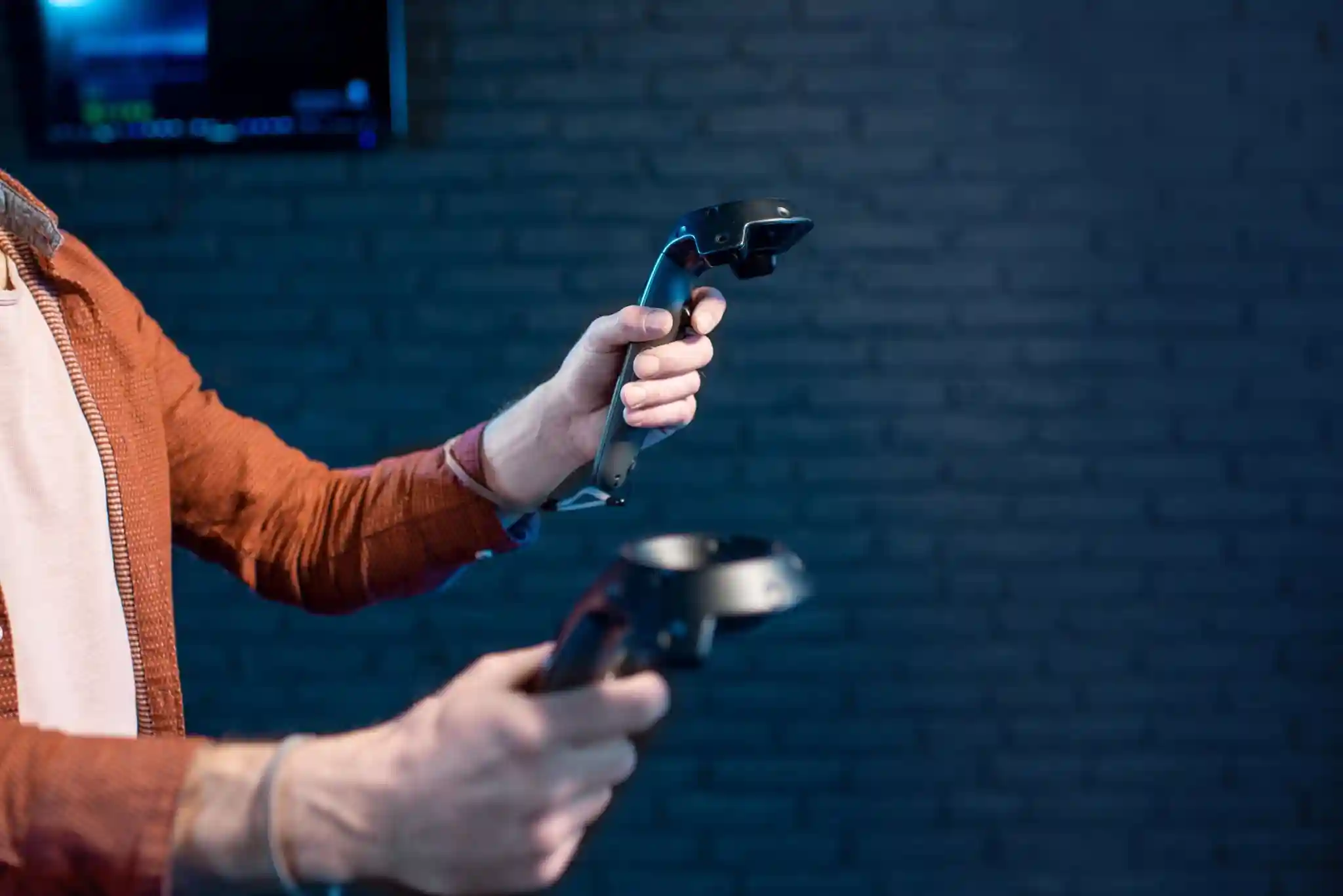
Controllers are a crucial part of the VR experience, impacting how you interact with virtual environments. The right controller can enhance gameplay, making it feel more intuitive and engaging. Let’s compare some of the best VR controllers available.
Oculus Touch Controllers
The Oculus Touch Controllers are designed to complement the Oculus headsets, providing an intuitive way to interact with the virtual environment. Their ergonomic design and responsive buttons make them comfortable to hold and easy to use. The controllers feature a tracking system that allows for accurate movement detection, bringing a sense of realism to your actions..
Valve Index Controllers (Knuckles)
The Valve Index Controllers, also known as Knuckles, take interactivity to the next level with their unique design. Unlike traditional controllers, the Knuckles are designed to be worn, allowing for natural hand movements and finger tracking. This design allows players to release the controllers without losing tracking, making it easy to interact with the environment in a more organic way.
HTC Vive Controllers
The HTC Vive Controllers have been a staple in the VR market since their release. Their design allows for comfortable gripping and ease of use, making them suitable for various gaming experiences. With a tracking system that pairs well with the Vive’s base stations, these controllers offer accurate tracking for a wide range of movements. While they may not have the advanced finger tracking capabilities of the Valve Index Controllers, the Vive Controllers still provide a solid user experience. They also feature haptic feedback, enhancing the sense of presence in virtual environments. For those already invested in the HTC ecosystem, these controllers remain a reliable choice.
The Role of Software and Game Compatibility
When selecting VR gear, it’s crucial to consider the software ecosystem and game compatibility. The best hardware is only as good as the games and experiences available for it.
Exclusive Titles and Libraries
Each VR platform boasts unique exclusive titles that can heavily influence your choice of headset. For example, the Oculus Quest 2 has a robust library of games, from rhythm games like “Beat Saber” to immersive adventures like “Lone Echo.” These exclusive titles can make a significant difference in your overall enjoyment, providing experiences tailored to the strengths of the hardware.
On the other hand, the Valve Index offers access to a range of high-quality games on Steam, including popular titles like “Half-Life: Alyx.” The variety of experiences available can sway your decision, especially if you have particular games in mind that you want to play. Researching the game libraries associated with each headset can help you choose the best option for your gaming preferences.
Cross-Platform Compatibility
Another important aspect to consider is cross-platform compatibility. Some VR headsets allow you to play games across different platforms, providing flexibility as your gaming needs evolve. For instance, the Oculus Quest 2 can connect to a PC, enabling access to a broader library of VR titles while still offering standalone functionality.
This cross-compatibility is a significant advantage for gamers who want to maximize their investment. It allows you to enjoy both standalone experiences and high-fidelity PC VR games without being locked into a single ecosystem. When selecting your VR gear, consider how important cross-platform compatibility is to your overall gaming strategy.
Frequently Asked Questions
What is the best VR headset for beginners?
The Oculus Quest 2 is often recommended for beginners due to its affordability, ease of use, and extensive library of games.
Are VR headsets compatible with all PCs?
Not all VR headsets are compatible with every PC. Check the specifications of both your PC and the headset to ensure compatibility.
How much space do I need for VR gaming?
Ideally, you should have at least a 6.5 x 6.5-foot area for room-scale VR experiences, allowing for freedom of movement.